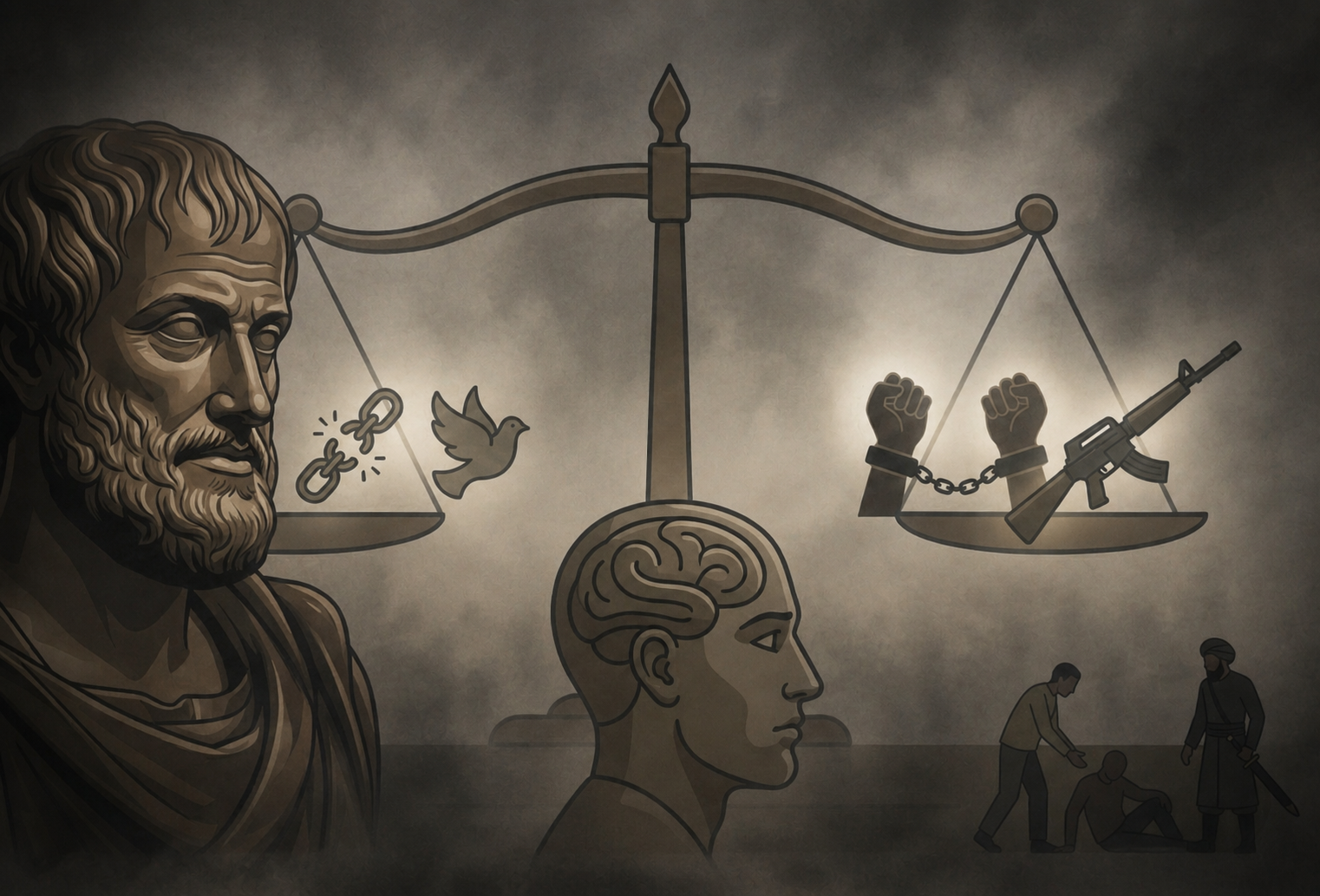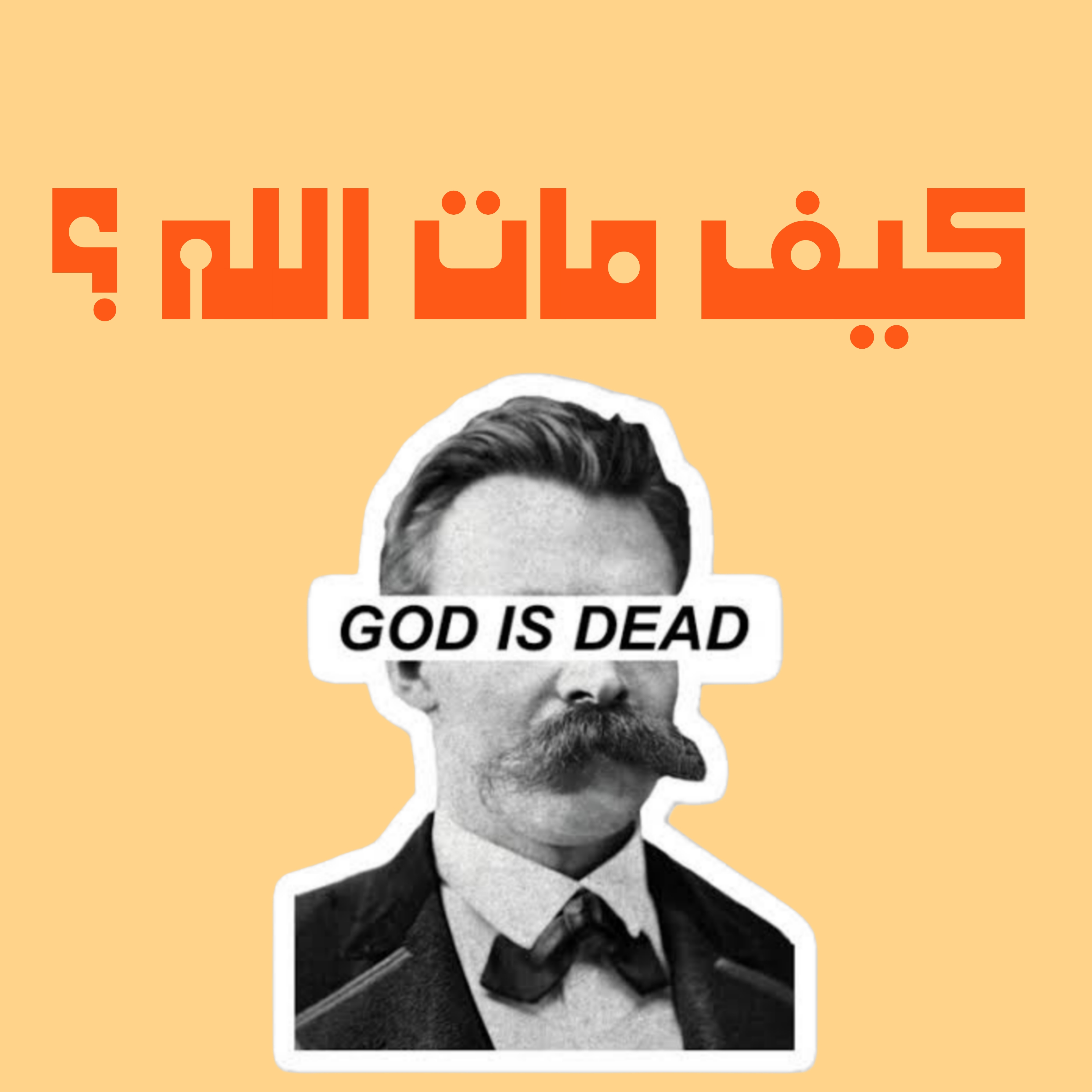
The "death of God" does not necessarily imply the prior existence of a transcendent being; rather, it expresses the collapse of an idea that, for ages, established an absolute normativity governing the moral and metaphysical horizons of humanity. God was not a presence in the material world, but a mental representation—an imagined system crafted by the human psyche to secure meaning for life through the promise of afterlife rewards and the threat of eternal punishment. However, the critical examination of dogmas, and the awareness of the structural contradictions within the image of God as presented by religions, caused this conception to lose its internal coherence. Thus, we have "killed Him" through our consciousness, just as we created Him through it.
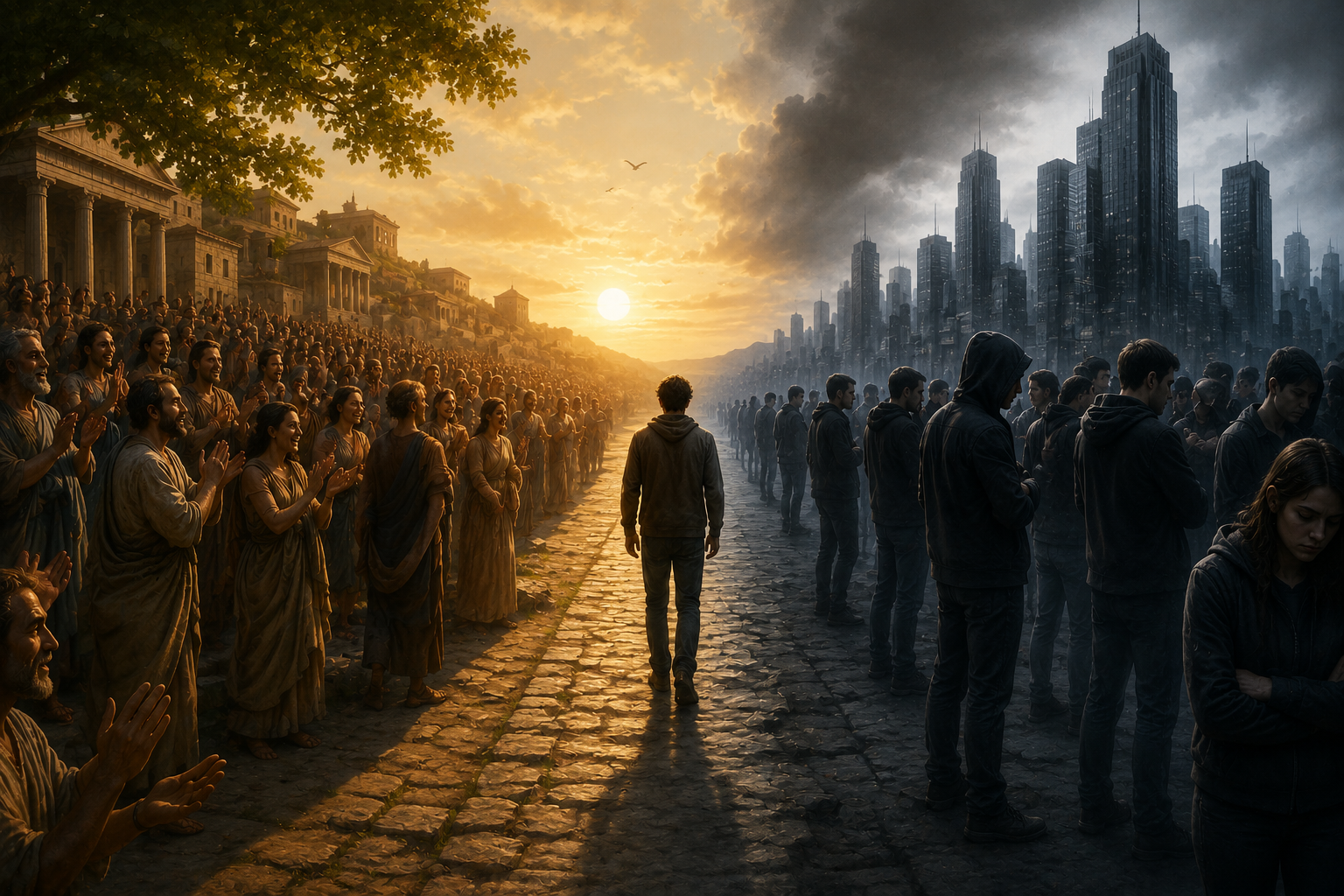
What died was not an external entity, but the metaphysical reference point that served for centuries as a moral guarantee and a refuge for the anxious mind. What remains after this death is nothing but nothingness: a vacuum of meaning, and the exposure of the human being to the necessity of inventing their own values. Inasmuch as God was an idea, His death was also the death of the Idea.