
Test-driven development : by example
Clean code that works--now. This is the seeming contradiction
that lies behind much of the pain of programming. Test-driven
development replies to this contradiction with a paradox--test the
program before you write it. A new idea? Not at all. Since the
dawn of computing, programmers have been specifying the inputs and
outputs before programming precisely. Test-driven development takes this
age-old idea, mixes it with modern languages and programming
environments, and cooks up a tasty stew guaranteed to satisfy your
appetite for clean code that works--now. Developers face complex
programming challenges every day, yet they are not always readily
prepared to determine the best solution. More often than not, such
difficult projects generate a great deal of stress and bad code. To
garner the strength and courage needed to surmount seemingly Herculean
tasks, programmers should look to test-driven development (TDD), a
proven set of techniques that encourage simple designs and test suites
that inspire confidence. By driving development with automated
tests and then eliminating duplication, any developer can write
reliable, bug-free code no matter what its level of complexity.
Moreover, TDD encourages programmers to learn quickly, communicate more
clearly, and seek out constructive feedback. Readers will learn to: Solve complicated tasks, beginning with the simple and proceeding to the more complex. Write automated tests before coding. Grow a design organically by refactoring to add design decisions one at a time. Create tests for more complicated logic, including reflection and exceptions. Use patterns to decide what tests to write. Create tests using xUnit, the architecture at the heart of many programmer-oriented testing tools. This
book follows two TDD projects from start to finish, illustrating
techniques programmers can use to easily and dramatically increase the
quality of their work. The examples are followed by references to the
featured TDD patterns and refactorings. With its emphasis on agile
methods and fast development strategies, Test-Driven Development is sure to inspire readers to embrace these under-utilized but powerful techniques. xix, 220 pages : 24 cm "This book follows two TDD projects from start to finish, illustrating techniques programmers can use to easily and dramatically increase the quality of their work. The examples are followed by references to the featured TDD patterns and refactorings. With its emphasis on agile methods and fast development strategies, Test-Driven Development is sure to inspire readers to embrace these under-utilized but powerful techniques."--Jacket Includes bibliographical references and index
Basılı kopya
Diğer Kitaplar

Mapping the Commodore 64 & 64C
Compute s Mapping the 64 and 64C Includes indexes
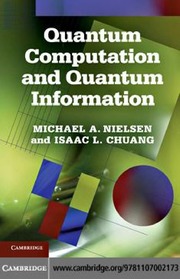
Quantum Computation And Quantum Information 10th Anniversary Edition
One of the most cited books in physics of all time, Quantum Computation and Quantum Information remains the best textbook in this exciting field of science. This 10th anniversary edition includes an introduction from ...

Islamic Books in Urdu: Section 4
List of Islamic books
in Urdu

Compute! Magazine Issue 146
Compute! Issue 146 - November 1992. 136 Colors (computer program for producing colors) - A-Max II Plus (Macintosh emulator for Amiga computers) (Hardware Review) (Evaluation) - Aces of the Pacific (game software) (Sof...

The second machine age : work, progress, and prosperity in a time of brilliant technologies
306 pages ; 25 cm A revolution is under way. In recent years, Google's autonomous cars have logged thousands of miles on American highways and IBM's Watson trounced the best human Jeopardy! players. Digital technologi...

PCMania 47
PCMania was a long-lived Spanish computer magazine. Unlike other magazines at the time, they covered a vast number of fields related to PCs such as gaming, technology previews, programming tutorials, etc. They also h...