
How to clone a mammoth : the science of de-extinction
xii, 220 pages, 16 unnumbered pages of plates : 25 cm "Could extinct species like mammoths and passenger pigeons be brought back to life? The science says yes. In [this book], Beth Shapiro, evolutionary biologist and pioneer in 'ancient DNA' research, walks readers through the astonishing and controversial process of de-extinction. From deciding which species should be restored, to sequencing their genomes, to anticipating how revived populations might be overseen in the wild, Shapiro vividly explores the extraordinary cutting-edge science that is being used--today--to resurrect the past"--Publisher "Could extinct species, like mammoths and passenger pigeons, be brought back to life? The science says yes. In How to Clone a Mammoth, Beth Shapiro, evolutionary biologist and pioneer in "ancient DNA" research, walks readers through the astonishing and controversial process of de-extinction. From deciding which species should be restored, to sequencing their genomes, to anticipating how revived populations might be overseen in the wild, Shapiro vividly explores the extraordinary cutting-edge science that is being used--today--to resurrect the past. Journeying to far-flung Siberian locales in search of ice age bones and delving into her own research--as well as those of fellow experts such as Svante Pääbo, George Church, and Craig Venter--Shapiro considers de-extinction's practical benefits and ethical challenges. Would de-extinction change the way we live? Is this really cloning? What are the costs and risks? And what is the ultimate goal? Using DNA collected from remains as a genetic blueprint, scientists aim to engineer extinct traits--traits that evolved by natural selection over thousands of years--into living organisms. But rather than viewing de-extinction as a way to restore one particular species, Shapiro argues that the overarching goal should be the revitalization and stabilization of contemporary ecosystems. For example, elephants with genes modified to express mammoth traits could expand into the Arctic, re-establishing lost productivity to the tundra ecosystem. Looking at the very real and compelling science behind an idea once seen as science fiction, How to Clone a Mammoth demonstrates how de-extinction will redefine conservation's future."--Publisher's description Includes bibliographical references (pages 211-212) and index Reversing extinction -- Select a species -- Find a well-preserved specimen -- Create a clone -- Breed them back -- Reconstruct the genome -- Reconstruct part of the genome -- Now create a clone -- Make more of them -- Set them free -- Should we? Winner 2016 AAAS/Subaru SB&F prize for Excellence in Science Books
نسخة ورقية
كتب أخرى

ERIC ED205989: Adventuring with Books: A Booklist for Pre-K-Grade 6. New Edition.
Intended for teachers of preschool through sixth grade children, librarians, parents, educational media specialists, and students of children's literature, this bibliography contains annotations of 2,500 recommended b...

Chemistry : Alberta 20-30
viii, 855 pages : 29 cm Includes glossary and index Elements and Compounds -- Chemical Reactions -- Understanding Chemical Compounds -- Gases -- The Nature and Properties of Solutions -- Acids and Bases -- Stoichiomet...

The Foundations Of Chemical Kinetics
The Foundations Of Chemical Kinetics — Benson,Sidney W.

Uprooted
438 pages ; 22 cm "Naomi Novik, author of the bestselling and critically acclaimed Temeraire novels, introduces a bold new world rooted in folk stories and legends, as elemental as a Grimm fairy tale. "Every so often ...
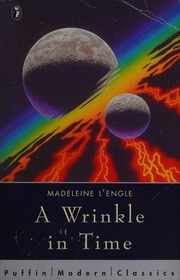
A wrinkle in time
216 pages : 20 cm Charles Wallace Murray goes searching for his father through a 'wrinkle in time'. Sequels - A wind in the door and A swiftly tilting planet; Literature Circles Year 7.__

Aptitude Test Problems In Physics (Science For Everyone)
This collection contains about 250 problems inphysics set for boys and girls from Moscow schoolsparticipating in physics olympiads from 1968 to1985. The most interesting and original problemsfrom these examinations ha...