
براءة النسيء الطبعة الرابعة 3 اذار 2022
براءة النسيhttps://nassee2017.blogspot.com/2022/03/blog-post_50.htmlvideo lecture https://www.youtube.com/watch?v=qaxEmPM4tgI&t=1329sProfessor Wissam Al-Din Ishaq. The innocence of Al-Nasi in the Qur’anabout writerhttps://www.facebook.com/nassee2000https://www.blogger.com/profile/10773368424503311061كتاب "براءة النسيء" للمؤلف وسام الدين إسحق، يتناول دراسة تاريخية ولاهوتية للتقويم الإسلامي، مركزًا بشكل خاص على مفهوم "النسيء"، وهو ممارسة التعديل في التقويم القمري لمطابقته مع السنة الشمسية والتي كانت مستخدمة قبل الإسلام وتم تحريمها لاحقًا.وسام الدين إسحق، الذي ولد عام 1963 في دمشق، سوريا، يُعتبر كاتبًا ومفكرًا إسلاميًا بارزًا. درس النصوص الدينية المتنوعة وأنتج أعمالًا هامة تخص تفسير القرآن وتاريخ الإسلام المبكر. يتبع إسحق منهجًا تحليليًا في أعماله، غالبًا ما يشمل الأدلة والمنهجيات من تخصصات متعددة، بما في ذلك برمجة الكمبيوتر التي درسها أكاديميًا.في هذا الكتاب، يفحص إسحق القراءات والتفسيرات التقليدية لنص القرآن الكريم، متحديًا الآراء التقليدية ومقترحًا وجهات نظر جديدة استنادًا إلى بحثه. يهدف الكتاب إلى توضيح المفاهيم الخاطئة حول تعاليم الإسلام المتعلقة بالتقويم، ويقدم رؤى حول كيفية تأثير التفسيرات التاريخية على الممارسات الإسلامية. كما يناقش الكتاب التأثيرات الأوسع لهذه التفسيرات على الجماعة الإسلامية وتمسكها بالتعاليم التقليدية.The book "براءة النسيء" (The Innocence of Nasi’) is authored by Wissam Al-Din Ishaq. It delves into the historical and theological study of the Islamic calendar, specifically examining the concept of "nasi’," which refers to the pre-Islamic practice of intercalation used to align the lunar calendar with the solar year. This practice was later prohibited in Islam.Wissam Al-Din Ishaq, born in 1963 in Damascus, Syria, is a notable Islamic writer and thinker. He studied various religious texts and has produced significant works on the interpretation of the Quran and early Islamic history. His approach is analytical, often incorporating evidence and methodologies from multiple disciplines, including computer programming which he studied academically.In this book, Ishaq critically examines the traditional readings and interpretations of the Quranic text, challenging conventional views and proposing new perspectives based on his research. The book aims to clarify misconceptions about Islamic teachings on the calendar and offers insights into how historical interpretations have shaped Islamic practice. It also discusses the broader implications of these interpretations on the Islamic community and its adherence to traditional teachings.
physical copy
More Books

Indian History - Collection of Indian History - Collection 1
Indian History - Collection of Indian History - Collection 1

Urdu Books Collection
Some Urdu books written by the late Shaikhu-l-Hadeeth & Mufti of the illustrious Daaru-l-'Uloom Deoband

After The Reich – The Brutal History Of The Allied Occupation
When Hitler’s government collapsed in 1945, Germany was immediately divided up under the control of the Allied Powers and the Soviets. A nation in tatters, in many places literally flattened by bombs, was suddenly sub...
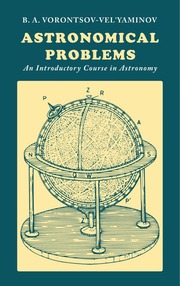
Astronomical Problems - An Introductory Course In Astronomy
AN IMPORTANT part in the teaching of any technical subject, in
higher educational establishments as well as schools, is experience
in the solution of problems. As well as providing practice in the
methods of computati...

Python Programming 3 Books In 1
THE COMPLETE BEGINNER’S GUIDE TO LEARNING THE MOSTPOPULAR PROGRAMMING LANGUAGE.By: Dylan Penny

الابتكار التكنولوجي لتحقيق التنمية المستدامة وتعزيز التنافسية
الابتكار التكنولوجي لتحقيق التنمية المستدامة وتعزيز التنافسيةتأليف : سعيد أوكيلالناشر : مكتبة العبيكان للنشرالطبعة الأولىسنة النشر : 2011